
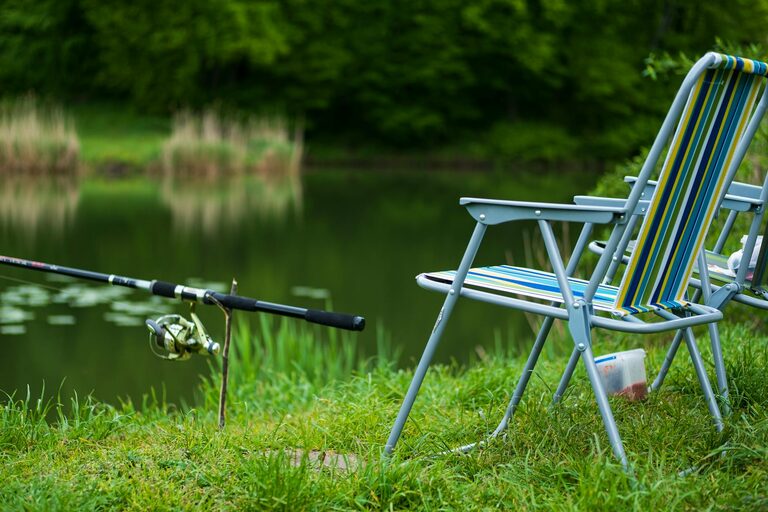
A weekend should be a time to unwind and recharge after a busy week. However, many people find their weekends just as hectic or stressful as their weekdays. By intentionally planning a no-stress weekend, you can create the space to relax, enjoy hobbies, and spend quality time with loved ones. This blog post shares practical tips for organizing a calm, restful weekend that leaves you feeling refreshed.
Why Plan a No-Stress Weekend?
Often, weekends fill up quickly with errands, social obligations, or chores. Without careful planning, you might waste your time rushing around or feeling overwhelmed instead of truly resting. A no-stress weekend offers multiple benefits:
– Restores Energy: Taking a break reduces fatigue and boosts your mood.
– Improves Mental Health: Relaxation lowers stress hormones and promotes calm.
– Increases Productivity: A refreshed mind is more focused during the workweek.
– Strengthens Relationships: Quality time with loved ones helps deepen connections.
With these advantages in mind, here’s how to map out a no-stress weekend for yourself.
Step 1: Set Your Intention for the Weekend
Begin by deciding what you want from your weekend. Pause and ask yourself:
– Do I want rest or fun or a mix of both?
– Are there specific activities or people I want to prioritize?
– What level of social interaction feels right?
Understanding your needs helps guide your plan instead of letting the weekend take its own direction.
Step 2: Create a Loose Schedule
While spontaneity has its place, having a simple structure reduces decision fatigue. Follow these ideas:
– Identify Key Blocks: Choose important time blocks for rest, hobbies, errands, and socializing.
– Build in Buffer Time: Leave gaps between activities to avoid rushing.
– Schedule Sleep: Aim for consistent sleep times to support energy.
For example, you might set aside Saturday morning for relaxation and reading, afternoon for light errands, and evening for a movie night. On Sunday, plan a fun outdoor activity in the morning and family time later.
Step 3: Declutter Your To-Do List
A heavy list of tasks can spark stress. Prioritize and simplify:
– List Everything: Write down chores, errands, and commitments you want to address.
– Choose the Essentials: Select only the highest priority or most desired items.
– Delegate: Where possible, share tasks with family or friends.
– Postpone: Move less urgent items to the next week.
By focusing on what truly matters, you make room for relaxation.
Step 4: Prepare in Advance
Reduce weekend stress by prepping beforehand:
– Meals: Plan easy meals or prep ingredients on Friday.
– Shopping: Complete grocery runs or errands on Friday to free up weekend time.
– Clothes & Gear: Lay out outfits and pack any items for planned activities in advance.
– Household: Do small cleaning tasks during the week to avoid weekend overload.
This groundwork clears time and mental space for enjoyment.
Step 5: Embrace Relaxing Activities
Choose activities that feel rejuvenating, not draining. Ideas include:
– Reading a favorite book or magazine
– Taking a calming walk in nature
– Enjoying a warm bath or self-care ritual
– Practicing meditation or gentle yoga
– Listening to music or a podcast that uplifts you
– Journaling about things you’re grateful for
Focus on what personally relaxes you.
Step 6: Limit Screen Time and Notifications
Technology can easily distract and add stress. Consider:
– Turning off non-essential notifications during rest periods
– Setting specific times to check emails or social media
– Enjoying tech-free activities like board games or crafts
Reducing digital interruptions helps maintain a calm atmosphere.
Step 7: Connect Meaningfully with Others
Social relationships are important but can also cause stress if overbooked. Aim for balanced connections:
– Spend time with people who energize and support you
– Plan low-key interactions, such as a quiet coffee or a casual walk
– Be honest about your need for downtime without guilt
Quality beats quantity when it comes to socializing.
Step 8: Practice Mindfulness Throughout the Weekend
Stay present to increase your enjoyment and reduce stress:
– Take deep breaths during moments of busyness or impatience
– Notice the sights, smells, and sounds around you
– Check in with your feelings and honor your needs without judgment
Mindfulness turns regular moments into relaxing experiences.
Step 9: Reflect and Adjust for Next Time
After your weekend, spend a few minutes reflecting:
– What helped you feel relaxed and content?
– What added hidden stress?
– What would you like to change next weekend?
Use these insights to improve your future no-stress weekends.
—
By following these steps, you’ll find that intentional planning makes your weekends more enjoyable and restorative. Remember, the goal is not perfection, but creating space for peace and happiness. Give yourself permission to slow down—you deserve a truly no-stress weekend.