
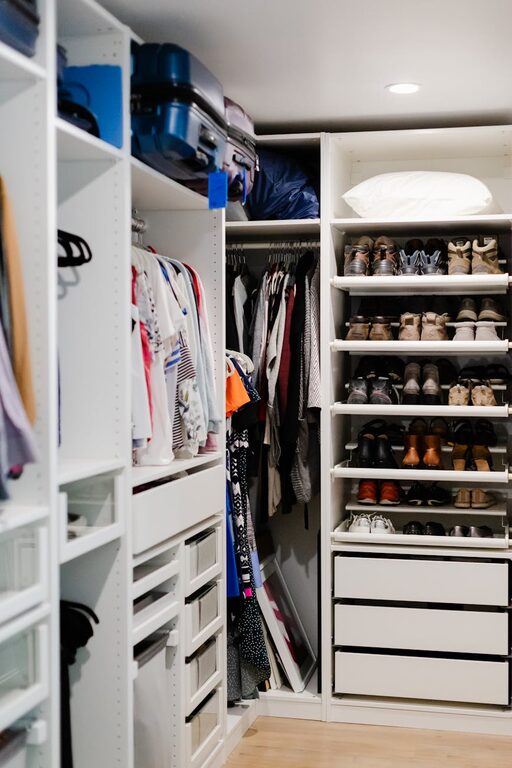
Storing seasonal clothes efficiently is essential for a tidy home and a stress-free wardrobe change. Whether you’re putting away winter coats or summer dresses, the right storage methods help preserve your clothes, save space, and make it easier to find what you need. In this post, we’ll explore practical tips and clever ideas to manage your seasonal wardrobe with ease.
Why Efficient Storage Matters
Seasonal clothes often take up a lot of space, and without proper storage, they can get wrinkled, damaged, or lost in the shuffle. Efficient storage helps you:
– Protect clothes from dust, insects, and moisture
– Maximize closet and storage space
– Keep clothes wrinkle-free and ready to wear
– Easily locate items when the season changes
Step 1: Sort and Declutter
Before storing your clothes, start by sorting through your wardrobe:
– Separate by Season: Group clothes into categories like summer, winter, spring, and fall.
– Declutter: Donate or recycle items you no longer wear or need.
– Check for Repairs or Cleaning: Fix minor tears, missing buttons, and wash or dry clean clothes to ensure they are clean before storing.
Step 2: Choose the Right Storage Containers
Selecting appropriate storage containers aids in keeping your clothes safe and organized.
Types of Storage Options
– Plastic Bins: Durable and stackable, these bins protect clothes from moisture and pests. Choose transparent bins to see contents easily.
– Vacuum-Sealed Bags: Great for saving space, these bags compress clothes and protect them from dust.
– Fabric Storage Bags: Breathable and ideal for delicate fabrics like wool, cotton, and silk.
– Under-Bed Storage: Utilize space under your bed with flat containers for rarely used items.
Storage Tips
– Avoid plastic bags for long-term storage, as they can trap moisture and cause mildew.
– Label boxes or bins clearly for quick identification.
– Use acid-free tissue paper to wrap delicate garments and prevent yellowing or fabric damage.
Step 3: Prepare Your Clothes for Storage
Proper preparation prevents damage during storage.
– Wash or Dry Clean: Always store clothes clean to avoid stains setting in or attracting pests.
– Dry Completely: Ensure all items are fully dry to prevent mildew growth.
– Fold or Hang Appropriately: Heavy sweaters and knitwear should be folded flat to maintain shape, while dresses and coats can hang on sturdy, padded hangers.
Step 4: Store Clothes Strategically
Maximize space and protect your clothes by following these placement tips:
Closet Storage
– Use hanging organizers with multiple compartments for smaller seasonal items.
– Place seldom-worn items in high or low closet areas.
– Store shoes in clear boxes or baggies to pair with outfits when the season returns.
Off-Season Storage
– Keep storage bins in cool, dry areas such as closets, under beds, or dedicated storage rooms.
– Avoid basements or attics prone to humidity and temperature fluctuations.
– Use cedar blocks or sachets of lavender to deter moths and add a fresh scent.
Step 5: Maintain Your Seasonal Storage
Periodically check your stored clothes to ensure they stay in good condition.
– Air out clothes occasionally to prevent mustiness.
– Rotate storage locations if needed to avoid exposure to direct sunlight or moisture.
– Refresh natural moth repellents regularly.
Additional Tips for Efficient Seasonal Clothing Storage
– Create an inventory list or take photos of stored items.
– Use slimline hangers to save closet space.
– Invest in quality storage solutions that last for years.
– Consider donating unworn seasonal clothes before storage to free up space.
Final Thoughts
Efficiently storing your seasonal clothes helps keep your wardrobe neat, your clothes protected, and your home clutter-free. Taking a little time to sort, prepare, and store your items properly will save you effort and frustration when the seasons change. With these tips, your seasonal wardrobe will be organized, accessible, and ready for use whenever you need it.
Happy organizing!