
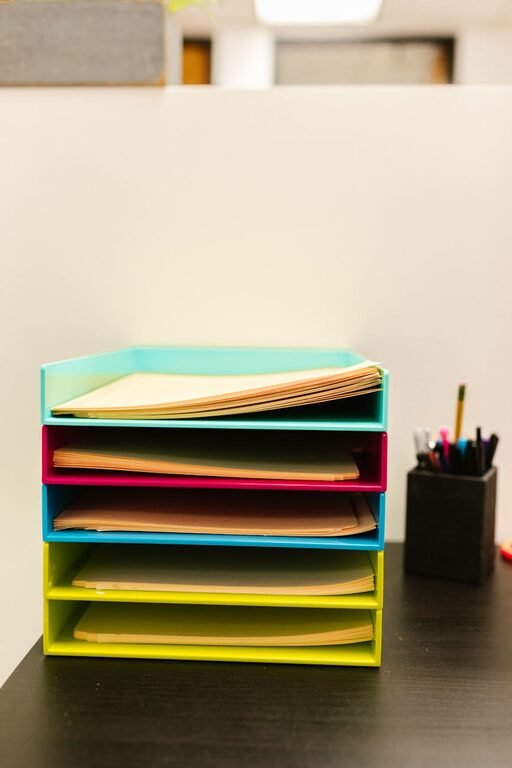
Living with piles of paper scattered around the house can be overwhelming and stressful. Whether it’s mail, receipts, school papers, or old documents, paper clutter tends to accumulate quickly and becomes hard to manage. The good news is that reducing household paper clutter doesn’t have to be complicated. With a few simple habits and strategies, you can keep your living space tidy and your mind clear. Here are some practical ways to reduce paper clutter in your home.
Why Reducing Paper Clutter Matters
Paper clutter is not just a visual nuisance; it can hide important documents, cause delays when you need something quickly, and generally add to feelings of disorganization. Clearing paper clutter helps you:
– Save time looking for important papers
– Reduce stress caused by mess and disorder
– Create more physical space for other uses
– Improve overall home aesthetics and cleanliness
Start With a Paper Decluttering Session
Before setting up systems to prevent clutter, it’s important to declutter what you already have. Here’s how to do a quick and effective paper purge:
1. Gather All Paper in One Place
Collect all loose papers, mail, and documents from around your home. This might include kitchen counters, desks, drawers, and even bags or backpacks.
2. Sort Into Categories
Create simple piles such as:
– Important documents (tax records, legal papers)
– Bills and statements
– Receipts
– Junk mail
– School or work papers
– Miscellaneous notes or flyers
3. Decide What to Keep, Digitize, or Toss
– Keep: Only essential documents you need for legal, financial, or personal reasons.
– Digitize: Scan or photograph papers you want to keep but don’t need in physical form.
– Recycle/Shred: Safely dispose of junk mail, old receipts, and expired documents.
Create a Functional Paper Management System
Once you clear your papers, establish a routine to prevent clutter from building up again.
1. Use Clearly Labeled Folders or Bins
Assign specific folders or trays for categories like:
– Incoming mail
– Bills to pay
– Documents to file
– Papers to review
Keep these containers in a convenient location, such as your home office or kitchen.
2. Set a Regular Mail and Paper Check Day
Choose one day a week when you go through mail and paperwork. Sort immediately, paying bills, filing important papers, or recycling junk mail. This habit prevents accumulation.
3. Go Digital Whenever Possible
Many companies offer electronic statements, bills, and receipts. Switching to digital correspondence helps cut down physical paper. Use apps or cloud storage services to save scanned documents.
Reduce Paper at the Source
Preventing new paper clutter saves time in the long run.
Tips to Reduce Incoming Paper
– Unsubscribe from unwanted catalogs and mailing lists.
– Opt for digital bills and statements.
– Encourage schools or organizations your family belongs to to use electronic communication.
– Ask for receipts only when necessary or opt for emailed receipts from stores.
Organize Kids’ School Papers Creatively
School papers and artwork can quickly add to clutter. Here are some ways to manage these without getting overwhelmed:
– Keep a designated folder or box for current schoolwork.
– Regularly review and decide which papers to save.
– Photograph or scan artwork and create a digital album.
– Use a bulletin board or wall space to display current favorites.
Manage Receipts Efficiently
Receipts can pile up unnoticed. To handle them better:
– Use an envelope or small box for receipts from specific categories, like taxes or warranties.
– Keep only receipts needed for returns or expenses.
– Use apps that track expenses by photographing receipts, eliminating paper storage.
Maintain Your System With Small Daily Actions
Staying clutter-free requires consistent effort, but it can be minimal.
– Immediately sort any mail or papers you bring home.
– Avoid piling papers on counters or tables.
– Spend 5 minutes daily or weekly keeping your papers in order.
When to Ask for Help or Upgrade Your System
If paper clutter feels overwhelming despite your efforts, consider these options:
– Use professional organizing services for a fresh start.
– Invest in a more advanced filing system or document scanner.
– Involve family members in maintaining the system together.
Conclusion
Reducing household paper clutter is achievable with simple, repeatable habits. Start by decluttering existing papers, set up an easy-to-use system, reduce new paper coming in, and stick to regular maintenance. Over time, you’ll enjoy a more organized and peaceful home with less paper chaos.
Remember, the goal isn’t to eliminate all paper instantly but to create a manageable flow that suits your lifestyle.
Try these tips today and see the difference a little effort can make!